
Authenticating trading cards — real vs fake, new and old, with examples
Whether you’re buying a single for a deck, trading at an event, or picking up a vintage piece for the binder, the same question comes up: is this card real? Counterfeits have been part of the trading-card world for decades. Quality has improved, and so has the need for clear, repeatable ways to check authenticity. This guide walks through what to look for on new and old cards — from weight and feel to print patterns and game-specific tests — and when to get a second opinion.
Why authentication matters
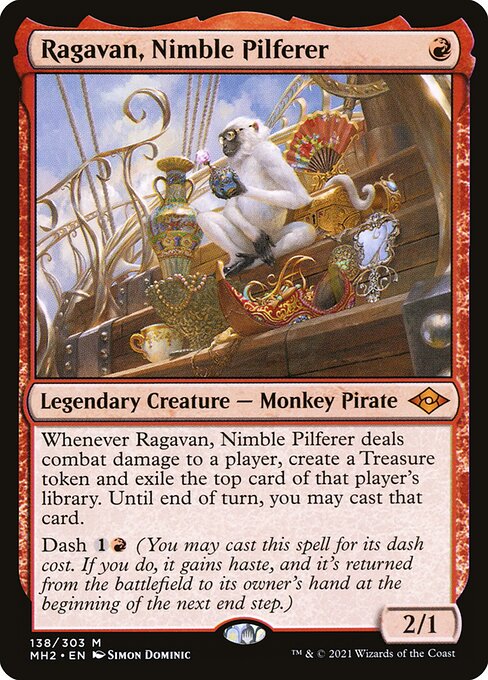
High-value cards are obvious targets for fakes: Ragavan, Nimble Pilferer, reserved-list staples, old Pokémon chase cards, and anything that routinely sells for hundreds or thousands. But counterfeits also show up on mid-tier staples and “too good to be true” deals. Knowing a few basic checks helps you buy and trade with confidence and avoids the headache of discovering a fake after the fact. No single test is perfect; combining several methods gives you a much better picture.
Physical characteristics — weight, thickness, and feel
Authentic trading cards have consistent specs. Magic cards, for example, are about 0.30–0.32 mm thick and weigh roughly 1.8–2.0 grams. Pokémon and many other games use similar ranges. Fakes often feel different: too thin or flimsy, too thick and stiff, or oddly light. Edges matter too. Real cards are cut cleanly; counterfeits often have rough, uneven, or fuzzy edges. If a card feels “off” in your hand before you’ve looked at the art, that’s a signal to dig deeper.
Card backs — your first real check
Many collectors and graders suggest checking the back first. Backs are harder to replicate accurately than fronts. On real cards, logos, text, and symbols are sharp and aligned. Colors are consistent. On fakes, backs often look dull, grayish, or slightly blurry; alignment can be wrong; and under a light or loupe the print may look muddy or pixelated. For games like Pokémon, the back design (logo placement, copyright text, centering) is a reliable quick check. For Magic, the back is the basis for one of the best-known authentication tests: the green dot test.
Print quality — rosettes, text, and color
Real cards are printed with professional offset (or similar) printing. Under magnification you see a fine rosette pattern — small, uniform dots that form the image. Counterfeits often show blurry or smudged rosettes, or no proper rosette at all. Text should be crisp; fuzzy or pixelated text is a red flag. Colors on fakes can be washed out, oversaturated, or slightly wrong. Spelling and fonts matter too: wrong fonts, odd spacing, or typos are common on counterfeits. If you have a known real copy of the same card, side-by-side comparison is one of the strongest checks.
MTG-specific: the green dot test
For Magic: The Gathering, the green dot test is a standard tool. Wizards of the Coast has used the same card-back design file since Alpha, and the green mana symbol on the back contains a hidden detail: four red dots in an “L” shape inside the green circle. You need a magnifier (a jeweler’s loupe or strong magnifying glass) to see them. Real cards have this exact pattern; most fakes don’t replicate it correctly. It’s not 100% — wear, damage, or printing quirks can sometimes affect visibility — but it’s very reliable when combined with other checks. Draftsim’s green dot guide walks through the steps in detail.
MTG-specific: the light test
Another common check for Magic is the light test. Real MTG cards have a blue layer in the middle of the card stock. When you shine a bright light (e.g. a smartphone flashlight) through the card at close range, you should see a wavy blue pattern in the light that passes through. Tokens and many fakes don’t have this layer; the light may look different (e.g. no blue, or a black or other colored layer). Important caveat: some real cards fail the light test. For example, certain Ixalan dual-faced cards were printed on different stock and can show a different result. Foils are also harder to judge with the light test because of the foil layer. So use the light test as one input, not the only one. Draftsim’s light test guide has more.
Holographics and foils
Official foil and holographic treatments use specific patterns (stars, swirls, or set-specific effects). Fakes often use a generic rainbow foil or a flat, wrong-looking shine. If you’re used to how real foils look in a set, a card that looks “off” — too shiny, wrong pattern, or no pattern where there should be one — is worth a closer look. Foils are among the hardest for counterfeiters to mimic well, so suspiciously perfect non-foil high-value cards can be a risk profile (e.g. near-mint, expensive, non-foil).
Old cards vs new cards — what’s different
Vintage and older printings (e.g. Alpha/Beta/Revised Magic, early Pokémon sets) can show wear, color shift, or slight variation that’s normal for age. Edges might be less crisp; corners may have minor wear. That doesn’t mean fake — it means you need to separate “aging” from “wrong.” Check the same things: weight and thickness (old cards still fall in a consistent range), back design and alignment, and under magnification the rosette and text quality. For very old Magic, the green dot test still applies because the back design has been consistent. Rebacks (real front, fake or different back) exist; inspecting the back and the edge of the card is important.
Newer cards are often in better condition, so fakes can look “too clean” for the price or source. Modern sets have consistent printing; if a new card has blurry text, wrong colors, or a back that doesn’t match a known real copy from the same set, treat it as suspect. Set-specific details (set symbol, collector number, holofoil pattern) should match reference images or other cards from the same product.
Examples of what gets faked
Counterfeiters focus on high-value, high-demand cards. In Magic, that includes format staples like Ragavan, Nimble Pilferer, Ledger Shredder, Cavern of Souls, and reserved-list cards (e.g. dual lands, Moxen, Black Lotus). In Pokémon, first-edition and rare Charizards, other chase GXs/VMAXs, and sealed product are common targets. In Yu-Gi-Oh!, high-value staples and collectibles get copied. If a card is expensive and easy to sell, assume someone has tried to fake it — and run your checks accordingly.
When in doubt — professional authentication
If you’re still unsure after your own checks, use a professional grading or authentication service. Companies like PSA, BGS, CGC, and others authenticate (and often grade) cards. They use magnification, UV/infrared where applicable, and experience with known fakes. For big purchases or one-of-a-kind pieces, the cost of authentication is usually worth the peace of mind. Wizards’ official page on identifying counterfeit Magic cards is another resource.
Summary
Authenticating trading cards comes down to: physical specs (weight, thickness, edges), backs and print quality (sharp text, correct rosettes, proper colors and alignment), and game-specific tests (for MTG: green dot and light test, with caveats for foils and some printings). New and old cards both benefit from the same principles; adjust for normal aging on vintage cards. Use multiple checks together, compare to known real copies when you can, and when the stakes are high, consider professional authentication. Below you’ll find a price chart for Ragavan — one of the cards that’s often counterfeited — so you can see where the market sits. We’re not telling you to buy or sell; we’re giving you the data and the tools to trade with your eyes open.
Comments
Loading comments…